Aesthetic Grunge Wallpaper Desktop
There is something about a grunge wallpaper desktop that just hits different. For the longest time, my screen was all clean gradients and pastel icons, the kind of setup you see on every tech blog. But somewhere between late-night work sessions and too many tabs open, I realised I wanted my desktop to feel like my room: slightly messy, full of texture, and unapologetically moody. So I went down the aesthetic grunge rabbit hole, and honestly, it has been one of my favourite little projects this year. If you have been thinking about switching things up, this post is for you.
Why My Desktop Went Full Grunge (And Why Yours Should Too)
Grunge aesthetics are not about being dark for the sake of being dark. To me, it is about layers — faded film grain, torn edges, muted greens and browns, handwritten notes, and the quiet chaos of things that look lived-in. When you set that as your wallpaper, your desktop stops feeling like a sterile tool and starts feeling like a corner of your brain. Every time I unlock my laptop, I get a small jolt of inspiration instead of a blank slab of blue. That alone was worth the switch. The best part is that you do not need expensive software or a design degree — just a willingness to collect textures everywhere you go.
Unexpected Inspiration: Finding Grunge Texture in Everyday Places
Here is where it gets interesting. I have started saving photos of everything that catches my eye: peeling paint at an old shophouse in Tiong Bahru, rusted railings near the MRT, coffee stains on receipts. But the one that surprised me most was a floor plan. Yes, a floor plan. There is something beautifully raw about architectural drawings — the monochrome lines, the technical annotations, the way rooms are mapped out like little territories. I found this image of a Hanbit Remian apartment layout, and the stark black-and-white structure gave me serious grunge energy. It reminded me that texture and mood are everywhere if you look closely enough.
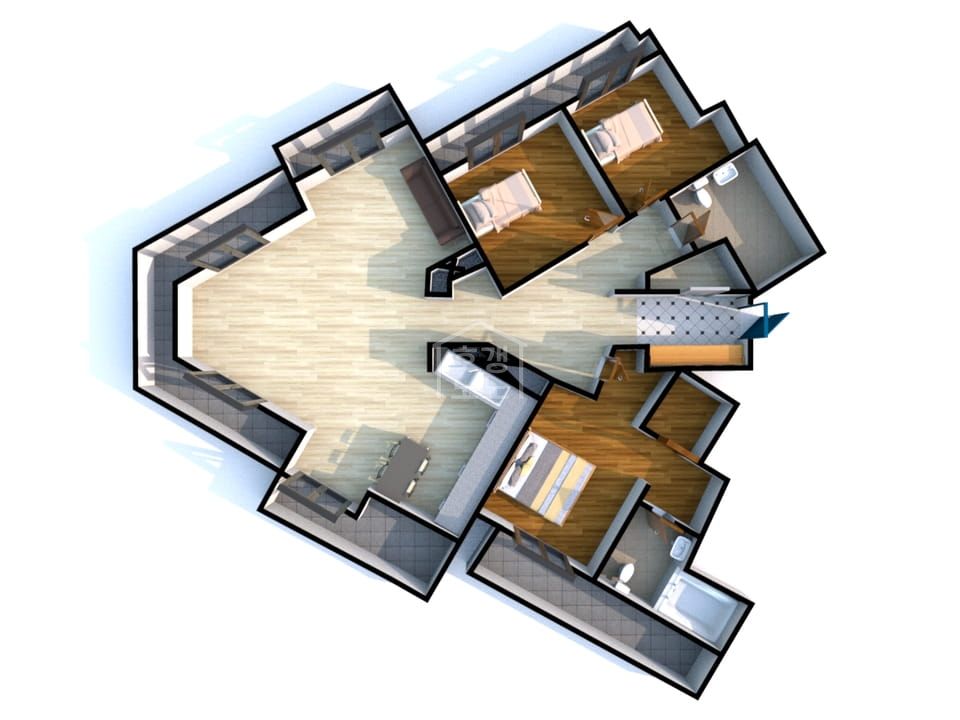
That image ended up in my inspiration folder, and it taught me a lesson: stop waiting for the perfect wallpaper to fall into your lap. Take photos of things around you — buildings, maps, tickets, plants — and see what sticks. You will be surprised at how much raw material you already have.
Building Your Grunge Wallpaper Desktop: A Simple Workflow
If you want to try it, here is my no-fuss workflow. First, collect a folder of textures — at least twenty images, the weirder the better. Second, open them in any free editor and layer on some grain, a dark vignette, and a faded colour grade. Third, and this is the step everyone skips, make sure your icons and widgets match the vibe. I use muted off-white folder colours and a minimal dock, so the wallpaper gets to be the star. Finally, set a rotation so your desktop changes every few hours; a grunge setup stays fresh when it keeps moving. My laptop finally feels like mine, and honestly, the whole process took one weekend. Whether you draw inspiration from architecture, old film, or rainy Singapore afternoons, there is a version of this aesthetic waiting for you. Give it a shot — your desktop will thank you.