Fluminense Vasco Da Gama
There are rivalries that simmer, and there are rivalries that smoulder like embers in a burnt-out street. Fluminense against Vasco da Gama belongs firmly to the latter. Known across Brazil as the Clássico dos Milhões — the derby of the millions — this is a fixture steeped in class tension, historical grievance and the kind of dread that settles over Rio de Janeiro whenever these two old enemies are drawn together. When Fluminense and Vasco take the pitch, the city holds its breath, and the atmosphere turns heavy, hostile and unforgettable.
The Long, Dark History of the Clássico dos Milhões
The roots of this rivalry run back more than a century, to 1923, when Vasco da Gama stormed into the Rio championship with a squad built on working-class players — many of them Black and mixed-race footballers the established clubs had conveniently ignored. Vasco's rise shattered the aristocratic comfort of the era, and Fluminense, the club of Rio's old elite, became cast forever as the establishment to Vasco's rebellion. Every meeting since carries the echo of that fracture. It is not merely football; it is history's unfinished argument replayed under floodlights, ninety minutes at a time, with no true possibility of reconciliation.
Why This Fixture Still Grips Brazilian Football
What makes the modern encounters so compelling is the volatility. Vasco's supporters carry the pride of a club that has weathered relegations, financial crises and boardroom chaos, only to claw its way back each time. Fluminense, meanwhile, have embraced a brand of craft and patience, typified in recent years by their continental triumph and the eternal brilliance of veterans who refuse to fade quietly. When these forces collide, form goes out the window. Favourites crumble. Underdogs bite. Maracanã roars in a tone that sends a chill down the spine of anyone watching, whether in Rio or tuning in from a lounge room in Sydney at an ungodly hour.
For supporters of both sides, the derby is less a match and more an ordeal — a test of nerve conducted in black-and-white and claret against crimson and white. The weeks either side of the fixture bristle with anxiety. A loss lingers like a stain on the year; a victory is savoured for months, sometimes decades. Players who score in this derby are never truly forgotten, and those who fail are never truly forgiven.
And so the rivalry endures, dark and defiant, as it always has. Whenever Fluminense and Vasco da Gama meet again, expect no warmth, no neutrality and no mercy — only the raw, brooding theatre of Brazilian football at its most unforgiving.
新しい選挙システムの社会実験~いつでもどこでも投票できるなら、あなたは投票をしますか? | 若者と政治を結ぶ NPO法人ドットジェイピー

新しい選挙システムの社会実験~いつでもどこでも投票できるなら、あなたは投票をしますか? | 若者と政治を結ぶ NPO法人ドットジェイピー
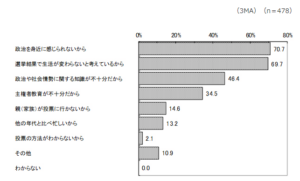
大学生の選挙や政治への関心、投票に行かない理由を徹底解説!│ガクセイ協賛
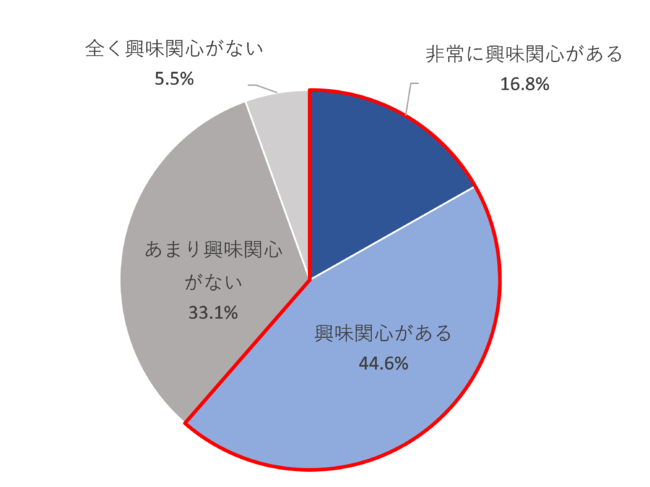
大学生の選挙や政治への関心、投票に行かない理由を徹底解説!│ガクセイ協賛
投票行かない理由「投票したい党なし」最多 朝日郵送世論調査:朝日新聞デジタル

投票行かない理由「投票したい党なし」最多 朝日郵送世論調査:朝日新聞デジタル
投票に行かないと1人あたり「年間5万5000円の損」若い世代の投票率が1%下がると…参議院選挙2025【選挙の日、そのまえに。】|静岡新聞アットエス

投票に行かないと1人あたり「年間5万5000円の損」若い世代の投票率が1%下がると…参議院選挙2025【選挙の日、そのまえに。】|静岡新聞アットエス
「推しのアイドルを作るように推しの政党を」選挙に行かないが“当たり前”に…若者の投票率はなぜ低いのか | 政治 | ABEMA TIMES
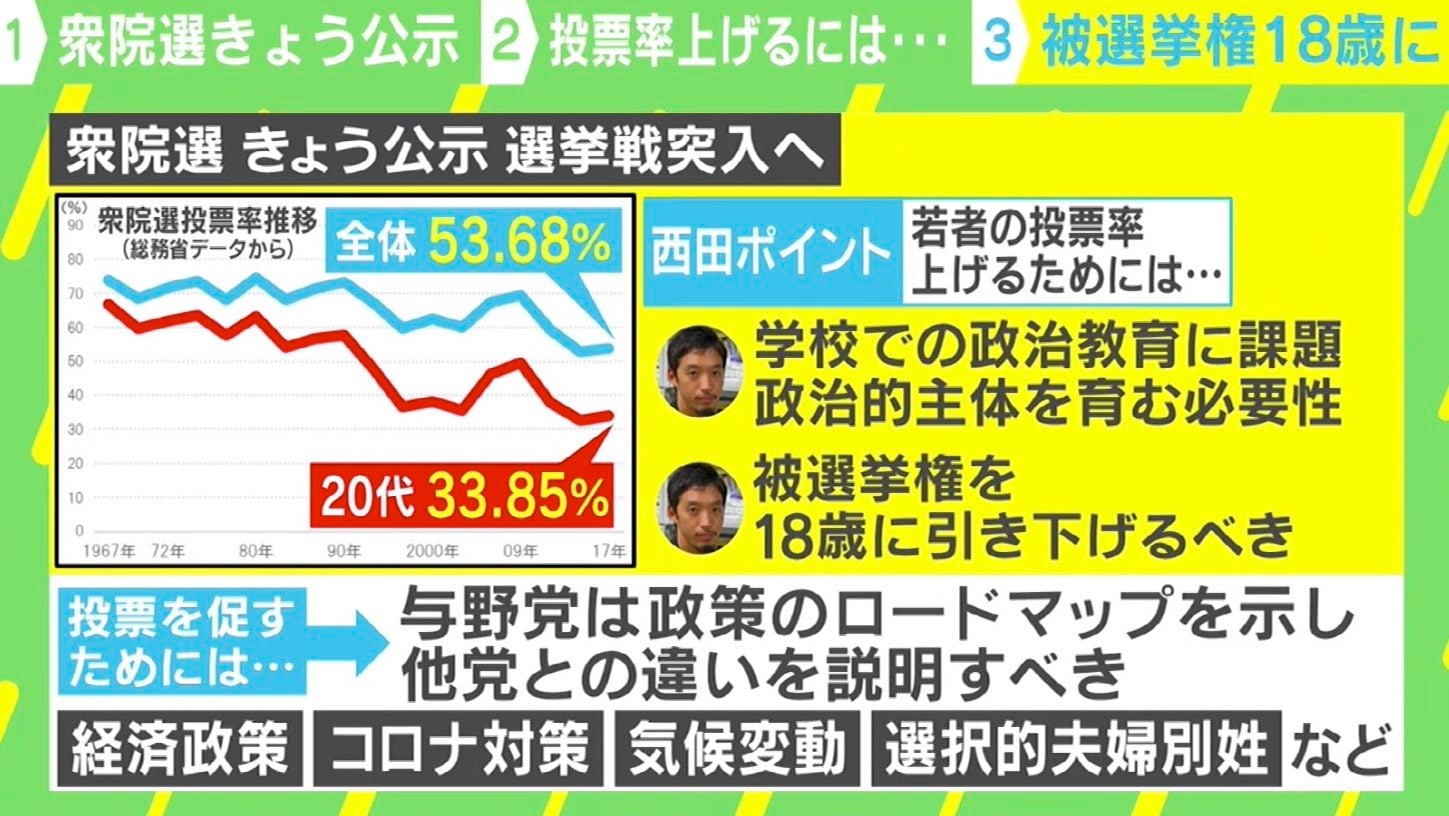
「推しのアイドルを作るように推しの政党を」選挙に行かないが“当たり前”に…若者の投票率はなぜ低いのか | 政治 | ABEMA TIMES ...
選挙の投票率は?|選挙フレンズ|京都市選挙管理委員会事務局
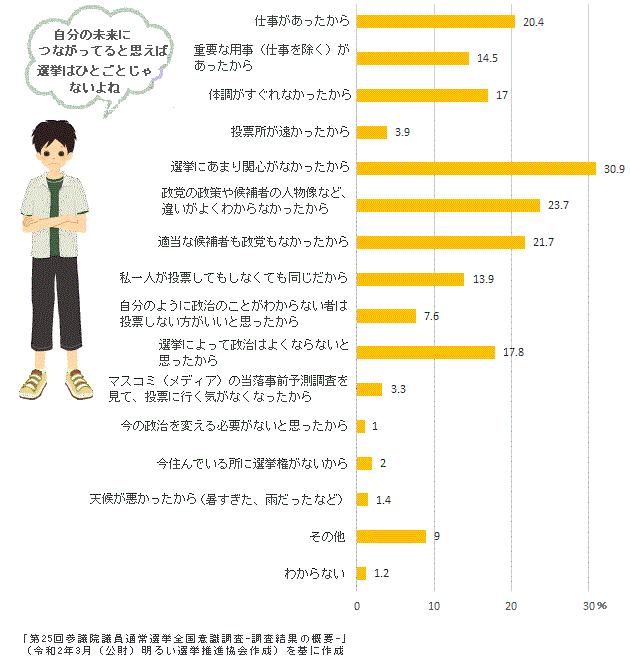
選挙の投票率は?|選挙フレンズ|京都市選挙管理委員会事務局
人々が投票に行くのはなぜか? 投票行動の視点から考える「選挙と政治参加」の授業 - 教育図書

人々が投票に行くのはなぜか? 投票行動の視点から考える「選挙と政治参加」の授業 - 教育図書