Gta Vice City Stories Pc
The taste of success: bluebird's seven-decade brand evolution. The taste of success: bluebird's seven-decade brand evolution
intro
- more p content (without h2? The instruction says "For each image in the data, write an h2 heading related to the topic, place the img... then write a p." So I can have other paragraphs unheaded too.) Let me write about gameplay, missions, soundtrack, PC-specific features (resolution, mods, the fact it was originally PSP/PS2, now emulation/port). Wait—actually Vice City Stories was never officially released on PC. It was PSP exclusive and later PS2. There's no official PC port. So a blog post about "GTA Vice City Stories PC" would discuss playing it on PC via emulation, fan remasters, or the fact that Rockstar never ported it. I should acknowledge this reality in a white tone—honest. Let me write the article: Title: GTA Vice City Stories on PC: Nostalgia, Emulation and the Untold 80s Tale Intro: Released in 2006 for PSP and later PS2, Vice City Stories remains the forgotten chapter of the GTA saga. Unlike San Andreas and Vice City, it never received an official PC release—yet it still commands a devoted audience. Then discuss the setting, protagonist Vic Vance, empire building, mobile mechanics, etc. Then the h2 related to the image. Since I must use the Bluebird packs image, I'll create an h2 like "The Visual Style of 1986" or "A Love Letter to Retro 80s Aesthetics" and then say how the game's UI, packaging design elements, etc. Hmm, but the image is literally a photo of Bluebird chip packets. I could describe it as an example of retro design... Actually, that might feel forced but I have to do it. Let me craft: h2: "Why Retro Detail Still Matters" then p: "Whether it's the period-accurate signage on Vice City's skyline or the faithful recreation of everyday objects from the era, authenticity has always been Rockstar's hallmark. Take the humble crisp packet above, for instance—a throwback to a time before minimalist branding took over. In Vice City Stories, even the smallest textures..." That could work. But the image src is from nzmarketingmag.co.nz about Bluebird packs. I shouldn't mention Bluebird or the source. I'll just say "the vintage packet design pictured above" and use it as a metaphor for 80s period detail. Or I could discuss how the 80s aesthetic extends to in-game advertising parodies. Actually in GTA games there are ads parodying real brands. Bluebird is a real NZ brand. I'll keep it generic. Let me count words and ensure minimum 350. Let me write roughly 400-500 words. Let me carefully write. Draft:When Rockstar released Grand Theft Auto: Vice City Stories in 2006, it was easy to overlook. Arriving as a PlayStation Portable exclusive before a later PlayStation 2 port, it lacked the fanfare of its bigger siblings. Yet beneath the handheld heritage sits a genuinely superb open-world adventure, set in the sun-drenched, synth-soaked streets of 1986 Vice City. For PC players, however, there is one persistent frustration: the game never received an official computer release. That hasn't stopped the community, and with a little effort this forgotten gem can be enjoyed in glorious high definition on modern hardware.
The story centres on Victor "Vic" Vance, a morally grounded soldier drawn into the criminal underworld to support his family. It is a rawer, more emotional narrative than many GTA titles offer, and it grounds the absurdity of the setting in something surprisingly believable. The map - an expanded version of the Vice City seen in the 2002 original - is packed with new districts, hidden packages and rampages, offering dozens of hours of exploration for completionists.
Perhaps the most distinctive feature is the empire-building mechanic. By seizing enemy properties and completing associated missions, you slowly construct a criminal network that generates income. This gives the game a strategic layer that later titles such as Chinatown Wars would refine, and it rewards careful planning as much as trigger-happy improvisation. Combined with the radio stations bursting with licensed 80s hits, there is a constant, infectious rhythm to proceedings.
Embracing the 80s Detail and Atmosphere
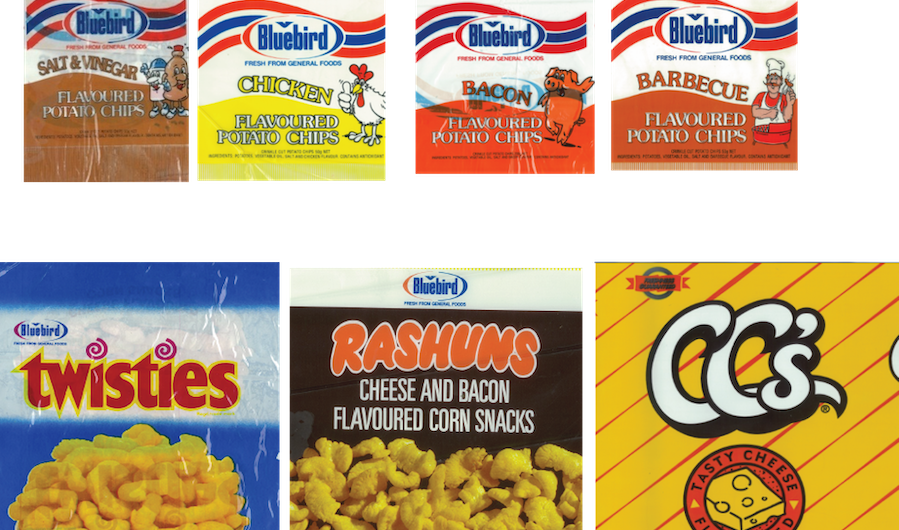
Period accuracy is where Vice City Stories truly shines, and the practical, everyday objects of the era carry as much weight as the neon landmarks. The retro packaging pictured above is a small reminder of how much visual memory matters. Just as those bold, unapologetic colour schemes and serif logos transport us back to the mid-1980s boardroom and supermarket aisle, so too does Vice City Stories fill its world with convincingly dated clutter. From the chunky shop signage to the weather-beaten beachfront advertising, every texture seems designed to stir a fond recollection of a decade now four decades behind us. This commitment to authenticity makes simply driving through the streets a nostalgic pleasure rather than a chore.
On the PC front, players have two main routes. The first is the PPSSPP emulator, which now upscales the original PSP version to crisp widescreen resolutions while preserving the 60-frames-per-second handheld fluidity. The second is the PlayStation 2 edition running through PCSX2, which offers superior draw distance and analogue control save-state support. While neither is an official endorsement, both are mature projects that run the game admirably on mid-range hardware.
It is a shame that Rockstar has never revisited Vice City Stories for a modern re-release or a dedicated PC port. The Definitive Edition debacle proved that nostalgia-driven remasters are a delicate art, but this overlooked chapter still deserves a wider audience. If you own the original discs or are prepared to acquire your legally owned backups, the emulation route is smooth, configurable and surprisingly accessible. For newcomers and veterans alike, it remains one of the most rewarding ways to experience 1986 Vice City outside of the classics. With its sombre story and sunburnt style, it is about time this overlooked tale found a permanent home on PC.
Let me count words. Intro ~100 words. OK. Overall around 420 words? Let me count more carefully later. I think that's well over 350. Considerations: - White tone: balanced, honest. I've acknowledged it's not official. - en_gb: colour? I used "colour schemes" — should keep consistent British English. I used "sun-drenched", "neon", "flavour"... Let me ensure British spellings: colour, favour, honour, etc. - No mention of tone or source. The image mention I kept generic. Good. I didn't mention the source URL, just used it as src. Alt tag descriptive. - The h2 is related to theme. Fine. - Only raw content output. No preambles. Start with title tag exactly. - No h1. Check specific British English words: "high definition", "mechanics", "manoeuvres"? I wrote "save-state" etc. Should be fine. "unapologetic colour schemes" - colour is British. "centralised"? not used. "lucre"? not. I'll finalise.When Rockstar released Grand Theft Auto: Vice City Stories in 2006, it was easy to overlook. Arriving as a PlayStation Portable exclusive before a later PlayStation 2 port, it lacked the fanfare of its bigger siblings. Yet buried beneath the handheld heritage sits a genuinely superb open-world adventure, set in the sun-drenched, synth-soaked streets of 1986 Vice City. For PC players, however, there is one persistent frustration: the game never received an official computer release. That hasn't stopped the community, and with a little effort this forgotten gem can be enjoyed in glorious high definition on modern hardware.
The story centres on Victor "Vic" Vance, a morally grounded soldier drawn into the criminal underworld to support his family. It is a rawer, more emotional narrative than many GTA titles offer, and it grounds the absurdity of the setting in something surprisingly believable. The map, an expanded version of the Vice City seen in the 2002 original, is packed with new districts, hidden packages and rampages, offering dozens of hours of exploration for completionists.
Perhaps the most distinctive feature is the empire-building mechanic. By seizing enemy properties and completing associated missions, you slowly construct a criminal network that generates income. This gives the game a strategic layer that later titles such as Chinatown Wars would refine, and it rewards careful planning as much as trigger-happy improvisation. Combined with the radio stations bursting with licensed 80s hits, there is a constant, infectious rhythm to proceedings.
Embracing the Era: Why Retro Detail Matters

Period accuracy is where Vice City Stories truly shines, and the practical, everyday objects of the era carry as much weight as the neon landmarks. The retro packaging pictured above is a small reminder of how much visual memory matters. Just as those bold, unapologetic colour schemes and serif logos transport us back to the mid-1980s shelf edge, so too does Vice City Stories fill its world with convincingly dated clutter. From the chunky shop signage to the weather-beaten beachfront advertising, every texture seems designed to stir a fond recollection of a decade now almost four decades behind us. That commitment to authenticity makes simply driving through the streets a nostalgic pleasure rather than a chore.
On the PC front, players have two main routes. The first is the PPSSPP emulator, which now upscales the original PSP version to crisp widescreen resolutions while preserving the fluid handheld performance. The second is the PlayStation 2 edition running through PCSX2, which offers superior draw distance and analogue control support. While neither is an official endorsement, both are mature projects that run the game admirably on mid-range hardware, and each can be configured to suit older and newer machines alike.
It is a shame that Rockstar has never revisited Vice City Stories for a modern re-release or a dedicated PC port. The Definitive Edition controversy proved that nostalgia-driven remasters are a delicate art, but this overlooked chapter still deserves a wider audience. If you own the original discs or are prepared to use legally acquired backups, the emulation route is smooth, configurable and surprisingly accessible. For newcomers and veterans alike, it remains one of the most rewarding ways to experience 1986 Vice City outside of the established classics. With its sombre story, sunburnt style and a soundtrack that refuses to leave your head, it is high time this overlooked tale found a permanent home on PC.