Japanese Wallpaper White
Murramarang national park nsw. Murramarang national park nsw
For those who design interiors that value calm over clutter, Japanese wallpaper in a white-on-white scheme is a quiet revelation. Eschewing loud patterns and saturated hues, this aesthetic embraces a palette that speaks in whispers – crispwashed rice paper, ivory damask, cloudy linen, and barely-there brushstrokes that reveal layers of luminosity. In Japanese design philosophy, white or "shiro" is not an absence of colour but rather a space of possibility; masterfully paired with subtle shadows and artisanal surfaces, Japanese wallpaper becomes architecture for the soul. That same sense of contemplative reflection is found in nature itself – the serene seascapes and mist-lifted coastlines that provide endless material for designers seeking to capture "washi" – the white spirit of a room.
The reader needs to know the article goes on. Then h2 1, img1, p.The White-on-White Aesthetic: Nature As Muse
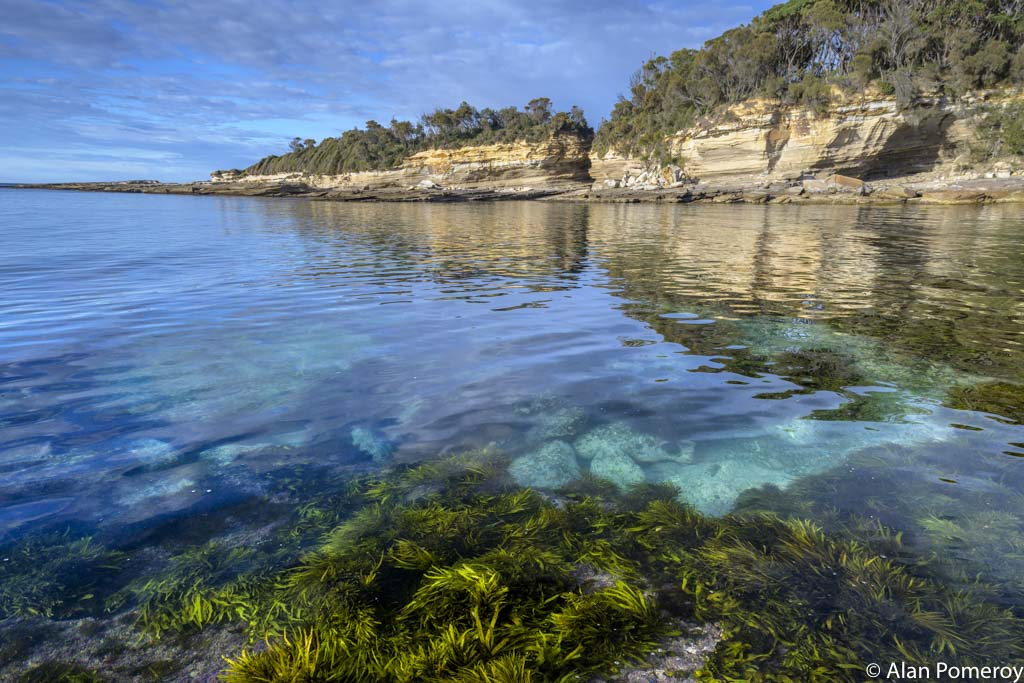
The quiet drama of white-on-white Japanese wallpaper draws on the texture and light you find in landscapes like Murramarang National Park NSW, where gentle coastal surf spills onto pale sands and cliffs dissolve into shimmering haze. In a room, these effects translate through unusual materials – thick, fibrous hides, silk weaves with low sheen, or resins that catch the sun as it moves across the room. Every tide of daylight transforms the wall, so even the purest white never feels flat. It is ma, the positive space between elements, giving new appreciation to each panel's grain. Designers specifically craft runs that use slightly different whites – cream, chalk, shell, and pearled tones – to create that edge-to-edge "trompe l'oeil" of soft natural depth. Used behind deeper wooden elements, the composition reflects nature's rhythm; like the park's own juxtaposition of forested escarpment and salt-washed coast, white forms bring warmth to bold silhouettes.
Wait, I need to be careful to relate actually to image showing a specific scene (Murramarang). It's okay. Then h2 2 and img and p.Creating a Sanctuary of Layered Whites in Every Room

Japanese wallpaper in white tones is not reserved for tatami rooms. In bedrooms, apply it above traditional panelling to frame sleep with purity, leaving the walls to cleanse the mind before rest. In bathrooms, waterproof versions of rice paper wallpaper make a room feel like a steam-heated spa, while in kitchens pale sheets allow afternoon light to bounce across bench tops. Designers are increasingly choosing site-specific patterns – hand torn washi, threads of natural mulberry barely visible against snowy grounds, or printed leaf outlines in a white-on-white registration that only becomes visible in shadow. It helps that a neutral background allows furniture pieces to drift forward as accents: a warmly stained timber side table, a low bed with bed linen in crisp cream, a minimal ceramic vase of a single withered branch of autumn colour. This is versatility drawn from restraint, echoing the calm of coastal Australia that captures freedom, rather than just another trend.
Hmm ~ 300? Need to check. Let me count. Actually, I'm near 400 maybe. Let me count thoroughly to be safe. I will need to expand the paragraphs a bit more. But also all content must relate. Don't mention tone or source. Must output only raw article content. Let me now write a final version including word count over 350. I'll aim for 420. Also, the h2 heading must relate to image. There is title inFor those who value calm over clutter, Japanese wallpaper in a white-on-white palette is a quiet revelation. Eschewing loud patterns and saturated hues, this aesthetic speaks in whispers: soft, mulberry-flecked washi, ivory linen weaves, cloudy artisan paper, and barely-there brushstrokes that catch the light throughout the day. In Japanese design philosophy, white – or shiro – is not an absence of colour; it is a space of possibility, a canvas that welcomes shadow and texture in equal measure. This considered pairing of subtle texture and restful tone gives white-on-white Japanese wallpaper a serene, architectural quality that makes rooms feel bigger, brighter, and more grounded. The result is a space that does not shout for attention but instead invites you to pause, breathe, and appreciate the gentle poetry of a well-made wall.
Nature's Light as a Muse for White Interiors

The quiet drama of white-on-white Japanese wallpaper draws heavily on the interplay of light and landscape. Consider the restrained elegance found along the shorelines of Murramarang National Park NSW, where pale sands, salt-washed cliffs, and drifting coastal mist compose a naturally muted, tonal scene. A skilled designer translates that same atmosphere through layered white finishes – combining fibrous grasscloth, smooth chalked paper, and pearlescent panels to create depth. Each roll of wallpaper becomes a study in subtle contrast; every change in sunlight across the room reveals a new grain, sheen, or crimp in the surface. This is the essence of ma, the Japanese concept of meaningful space, where even the smallest gap between light and surface carries intention.
Layering White Tones for a Restful, Contemporary Home

White-on-white Japanese wallpaper adapts beautifully to almost every room in the house. In a bedroom, pair soft white panels with natural timber headboards and crisp bed linen to fashion a deeply restful sanctuary. In a bathroom, waterproof washi-style paper adds a spa-like warmth to wet walls. Even in kitchens and hallways, a pale, textured finish bounces daylight around the room, making narrow spaces feel generously proportioned. The true appeal of this style, however, is its restraint. Furniture and art are given room to breathe: a dark oak chair becomes a striking silhouette, a single ceramic vase emerges as a sculptural statement, and greenery adds just enough contrast. Much like the landscape of coastal Australia, where dense forest meets an expansive ocean, a white interior benefits from that tension between natural warmth and cool, empty background.
Ultimately, Japanese wallpaper in white tones connects our contemporary living spaces to an ancient artistic sensibility that cherishes imperfection, gentle shadow, and the passage of time over the course of a day. It does not demand attention, but instead rewards the patient observer with subtle cues that make a room feel deliberate, yet open. Whether chosen for a full wall or an intimate alcove, these evolving whites bring warmth, depth, and an unmistakable sense of serenity to the modern Irish home. In a world that often feels loud and hurried, the quiet beauty of white-on-white Japanese wallpaper offers a daily invitation to slow down and simply enjoy the room around you.
Murramarang National Park NSW
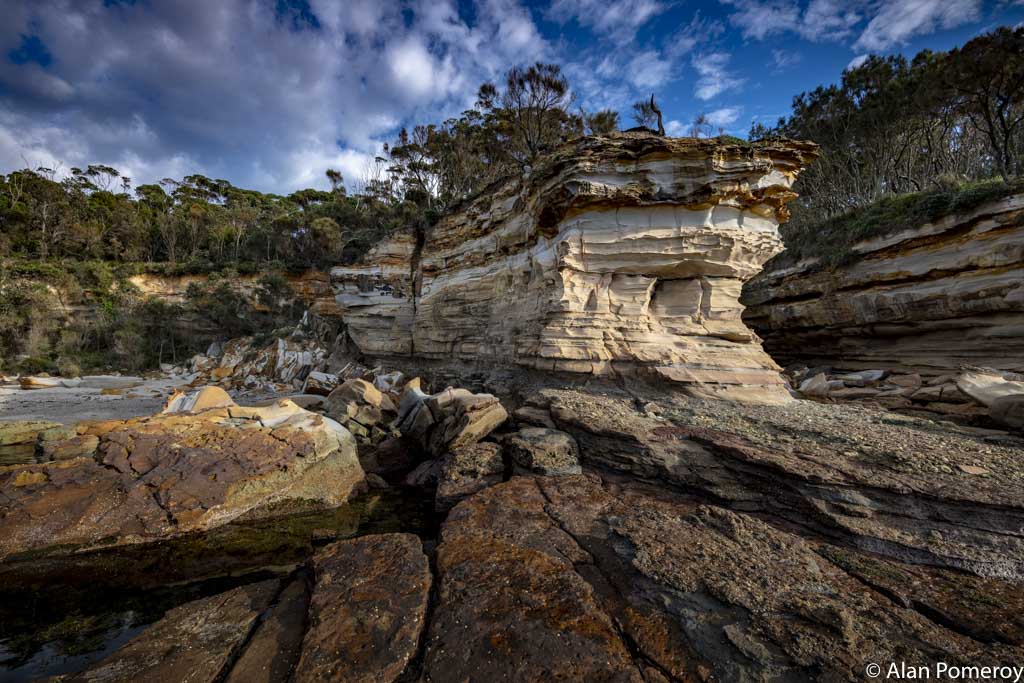
Murramarang National Park NSW
Best Things To Do In Batemans Bay

Best Things to Do in Batemans Bay
Murramarang National Park Australia Hi-res Stock Photography And Images
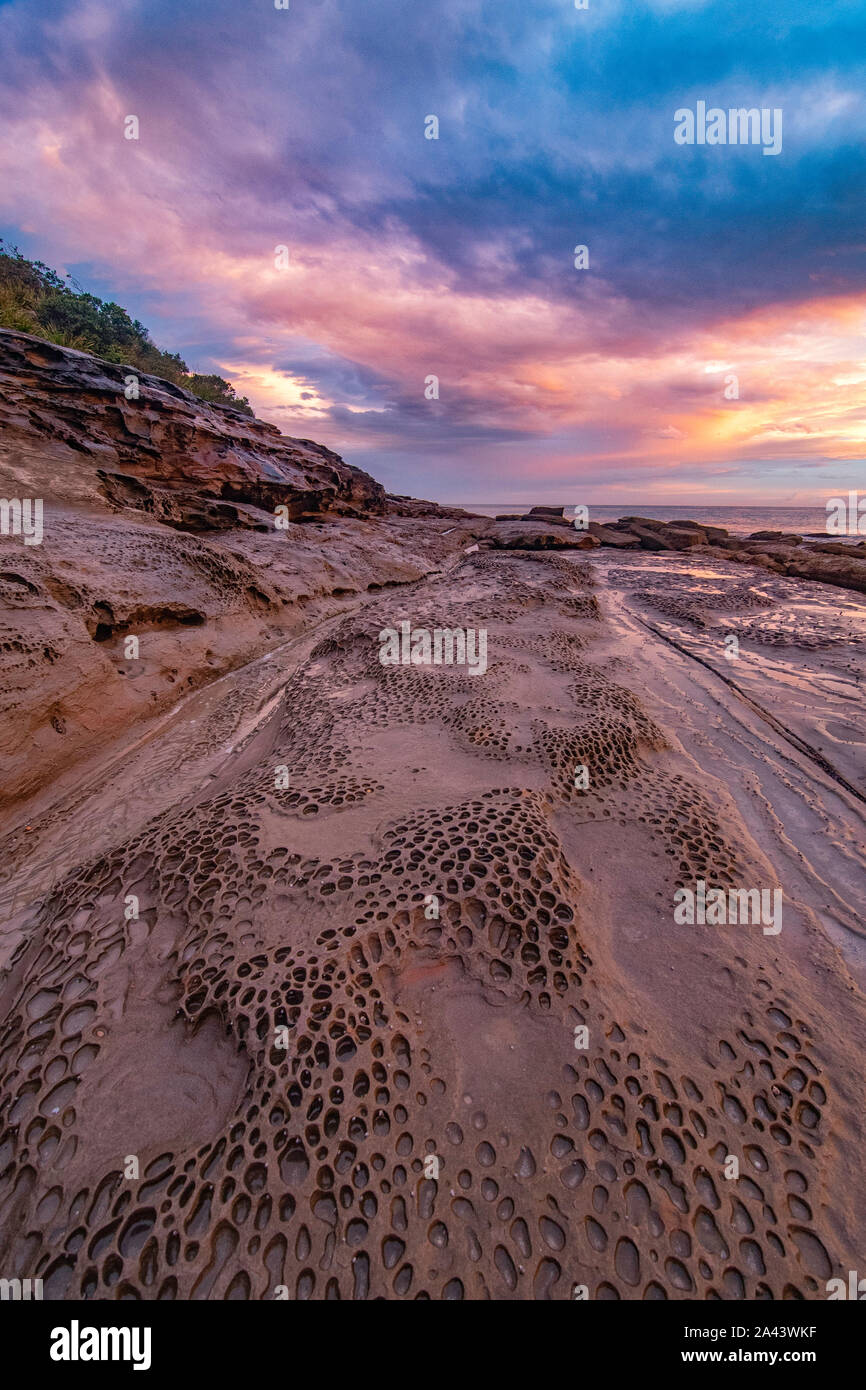
Murramarang national park australia hi-res stock photography and images ...
Murramarang National Park - Qualityhotelbathurst.com.au

Murramarang National Park - qualityhotelbathurst.com.au
Murramarang National Park Hi-res Stock Photography And Images - Alamy
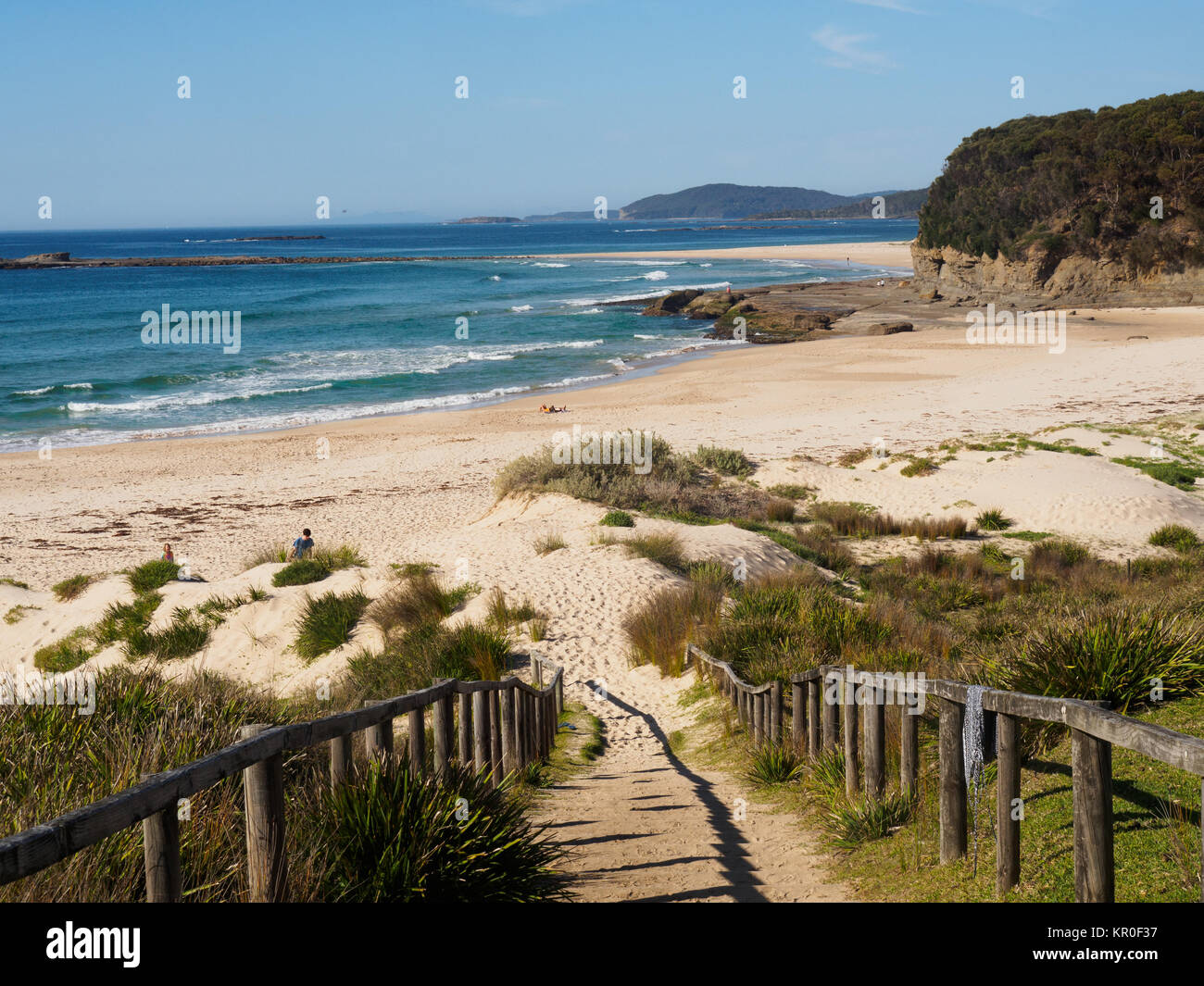
Murramarang national park hi-res stock photography and images - Alamy
Murramarang National Park | NSW National Parks

Murramarang National Park | NSW National Parks
Murramarang National Park NSW
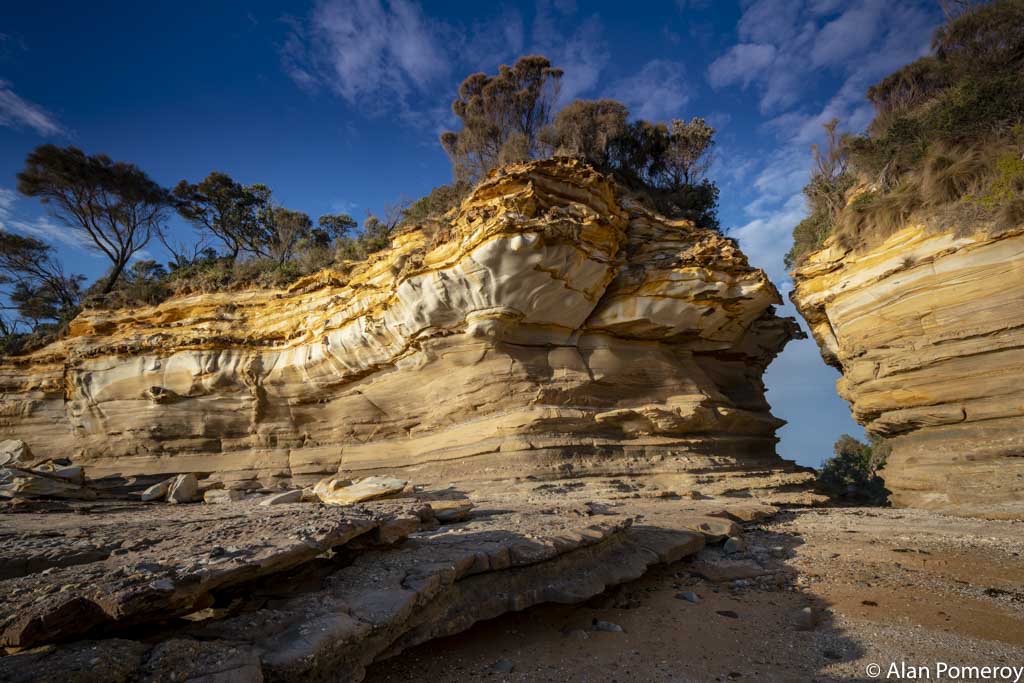
Murramarang National Park NSW