Jogo Fluminense X Vasco Copa Do Brasil
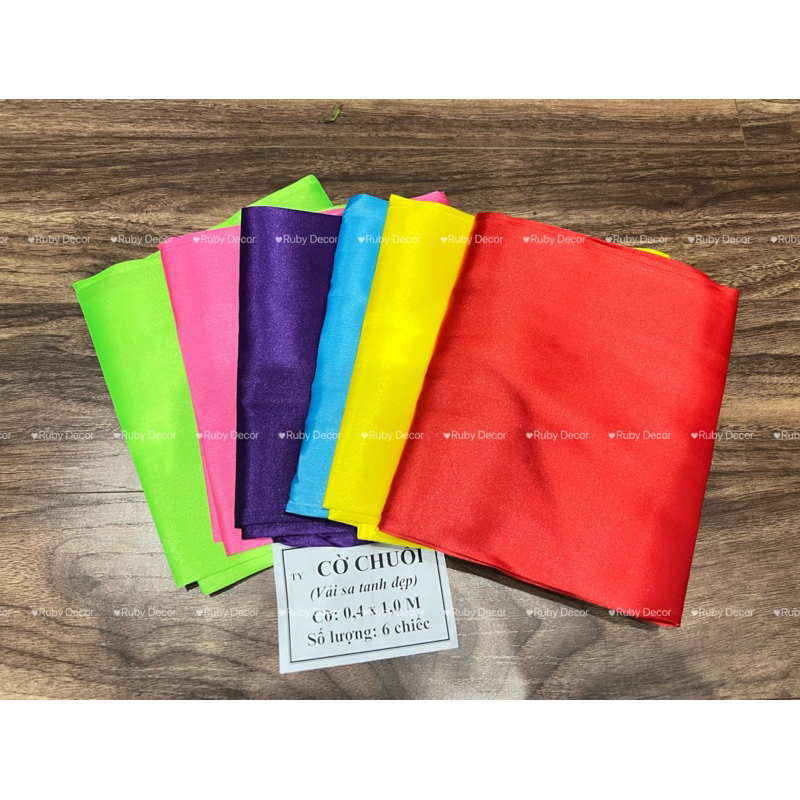
Bộ cờ chuối, cờ phướn 6 lá đủ màu sắc vải phi bóng đẹp chịu nắng mưa. Bộ cờ chuối, cờ phướn 6 lá đủ màu sắc vải phi bóng đẹp chịu nắng mưa ...
The Copa do Brasil has long served as a stage for some of Brazilian football’s most fiercely contested regional rivalries, and few fixtures carry the weight of Fluminense versus Vasco da Gama. As both clubs prepare to resume their pursuit of national silverware, the encounter promises to blend historical enmity with modern tactical nuance. Fluminense, known for their structured build-up and positional discipline under pressure, will look to impose control through midfield rotations and wide overloads. Vasco, by contrast, often thrive in transition, relying on direct vertical passes and the individual flair of their attacking wide players to unsettle deeper defensive blocks. The outcome may hinge on which side can dictate tempo without conceding the dangerous transitional moments that frequently decide knockout ties.
Historic Rivalry Fuels a Tense Copa do Brasil Atmosphere
The backdrop to any Fluminense–Vasco meeting is a century of shared history across Rio de Janeiro, where derby matches transcend league position and form. In a knockout competition such as the Copa do Brasil, the emotional charge often translates into moments of defensive urgency and heightened caution. Coaches frequently temper attacking ambition to avoid the costly away-goal swings that can define two-legged ties. Fluminense’s recent domestic campaigns have shown a willingness to press selectively and retain possession in the opponent’s half, while Vasco’s squad has demonstrated resilience when forced to defend narrow leads late in matches. Supporters on both sides understand that a single lapse in concentration can shift the entire trajectory of the season, making composure as valuable as any tactical adjustment.
Key Individual Duels Across the Pitch
Beyond the collective systems, individual matchups may decide the tie. Fluminense’s holding midfielder will be tasked with screening the back four while monitoring the runs of Vasco’s most advanced central creator, whose ability to receive between the lines can exploit even brief moments of disorganisation. On the flanks, the battle between Vasco’s overlapping full-backs and Fluminense’s inverted wingers could open pockets of space for second-phase attacks. Set pieces also warrant close attention: both squads include physically imposing central defenders capable of contributing goals from corners and wide free-kicks. In the modern Copa do Brasil, where away goals no longer carry the same weight as in previous editions, patient, well-drilled defensive organisation often proves decisive across 180 minutes of football. Whichever side executes the finer details of transitions and dead-ball situations will likely advance in front of a raucous, divided crowd.