Leon vs Lafayette Rivalry
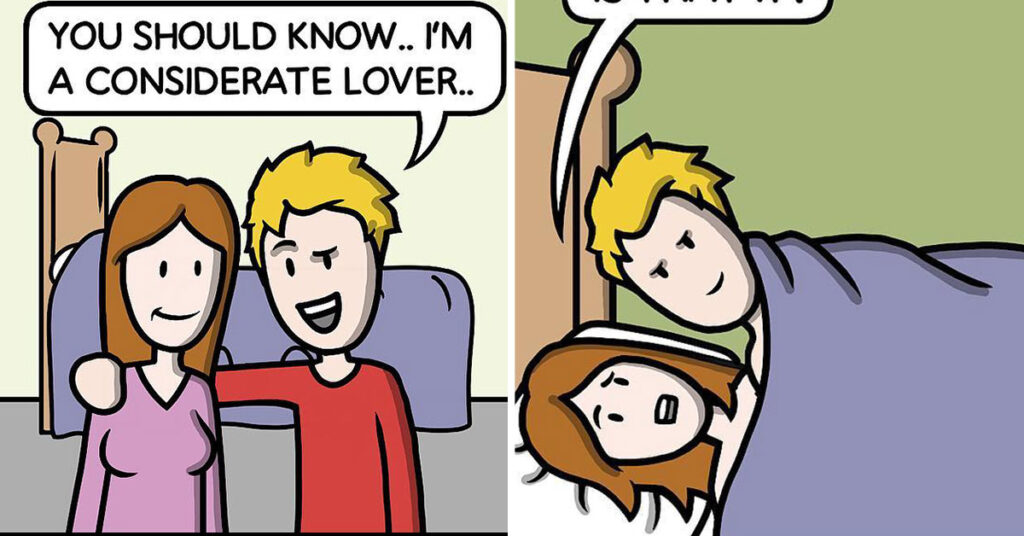
45 dark humor comics with deeply twisted endings from ‘dogs on the 4th’. 45 dark humor comics with deeply twisted endings from ‘dogs on the 4th’
There are rivalries that sparkle with sporting romance, and then there are those that fester beneath the earth like gas leaks waiting for a careless match. The Leon-Lafayette feud is unmistakably the latter. For over a century, these two desolate townships have waged a war not of banners and trumpets, but of poisoned wells, sabotaged tractors, and a shared, unspoken contempt for the very ground they till. It is a black, bitter tapestry of score-settling that has outlived every sane participant, and it shows no sign of dying. In fact, it seems to feed on the darkness between the gravestones.
The Dog That Howled at Both Moons: A Parable of the Feud
If you want to understand the true texture of this enmity, look no further than the peculiar annual tradition that both towns share with grim pride. Every Independence Day, the residents of Leon and Lafayette release their hounds into the no-man's-land between the two settlements. The dogs, naturally bewildered, run back and forth between the fireworks and the gunfire, their barks swallowed by the sulphurous smoke. It is a perfect, ridiculous metaphor: the innocent caught between two stubborn bonfires of hatred. The locals call it the 'Twisted Humpor', after an old mutt who survived seven explosions and now drags his hind legs from porch to porch, a living monument to the pointlessness of it all. That dog understands the rivalry better than any historian ever will.
The origins of the feud are, conveniently, buried under a collapsed silo on the Leon side of the creek. Lafayette claims it began when Leon's founding felons stole a shipment of coffin nails destined for the Lafayette poorhouse. Leon, in turn, swears that the Lafayettes exhumed the wrong corpse during the cholera epidemic of 1888 and sent the rotten remains back postage-due. Both accounts are almost certainly false, yet both are repeated with the fervour of scripture. The truth, if it ever existed, has soured into a local legend so thick that even the church bells refuse to ring on the anniversary of the great silo fire.
What makes this rivalry particularly dark is not the violence — although the annual fireworks duel has claimed three eyebrows and a prize goat — but the casual cruelty of its longevity. The children of Leon are taught to throw stones at any pickup truck bearing a Lafayette license plate, and the children of Lafayette are, in turn, instructed to pour sugar into the fuel tanks of Leon's combine harvesters. It is a cycle as predictable as the winter frost, and just as deadly to any hope of a thriving harvest. The two towns' economies have collapsed, the schools have merged out of sheer necessity, and still, the hatred persists, passed down like an heirloom of anthrax.
There was, of course, one brief chance at reconciliation. In 1997, a mail-order bride inadvertently arrived at the Leon post office when her intended lived in Lafayette. She stayed, married a Leon man, and for six glorious months, the two towns attended a single barn dance organised in her honour. Then her first husband showed up, filed a lawsuit, and the judge who ruled on the matter was revealed to be a secret third-party claimant from a hamlet no one had ever heard of. The dance ended in a riot that involved pitchforks, an accordion, and a bowl of potato salad that has never been conclusively explained. War resumed with renewed vigour, and the mail-order bride moved to a city with no postal service at all.
Now, as the dogs howl into the smoke of another July 4th, one must ask: will Leon and Lafayette ever bury the hatchet? Perhaps, but only in the skull of the other town's mayor. The rivalry is not a dispute; it is a religion of spite. It has no doctrine, no saviour, and no end. It simply exists, as patiently as a grave. And that, dear reader, is the darkest jest of all: both towns are so busy hating each other that they never noticed they have been dying together, side by side, for over a hundred years. The only victor is the void.