Mel Gibson Young
Over 50 lakh vehicles used country’s longest sea bridge atal setu. Over 50 lakh vehicles used country’s longest sea bridge atal setu ...
Before the controversies, before the Oscars, before the bearded director behind ancient epics, there was a restless young man haunting the stages of Sydney with an arrogance and hunger that burned through every scene he touched. Mel Gibson, young and unknowing of the storm he would become, arrived in Australia as a gangly twelve-year-old from Peekskill, New York — a boy plucked from American soil and dropped into the suburbs of a city that would forge him. What followed was a ascent soaked in sweat, motor oil, and the unforgiving glare of late-seventies cinema. To look back at young Mel Gibson is to stare into the face of raw, unfiltered danger — the kind of talent that arrives once a generation and burns everything in its path.
Forged in the Shadows of NIDA: A Reckless Beginning
Gibson's entry into the National Institute of Dramatic Art was almost accidental. A sister submitted his application without his knowledge, and he drifted into the audition like a man stumbling into the wrong pub. It didn't matter. The moment he opened his mouth, something shifted in the room. Classmates remembered a wiry, magnetic presence — a bloke who could flip from larrikin charm to feral menace in a single breath. While other students rehearsed, Gibson seemed to detonate. By the time George Miller cast him in Mad Max in 1979, the dye was cast: a leather-clad avenger, bloodied and hollow-eyed, patrolling a decaying outback wasteland. It was low-budget cinema shot on the smell of an oily rag, and it made the young actor a phantom legend across two continents.
Crossing the Bridge: From Sydney's Stages to Global Stardom
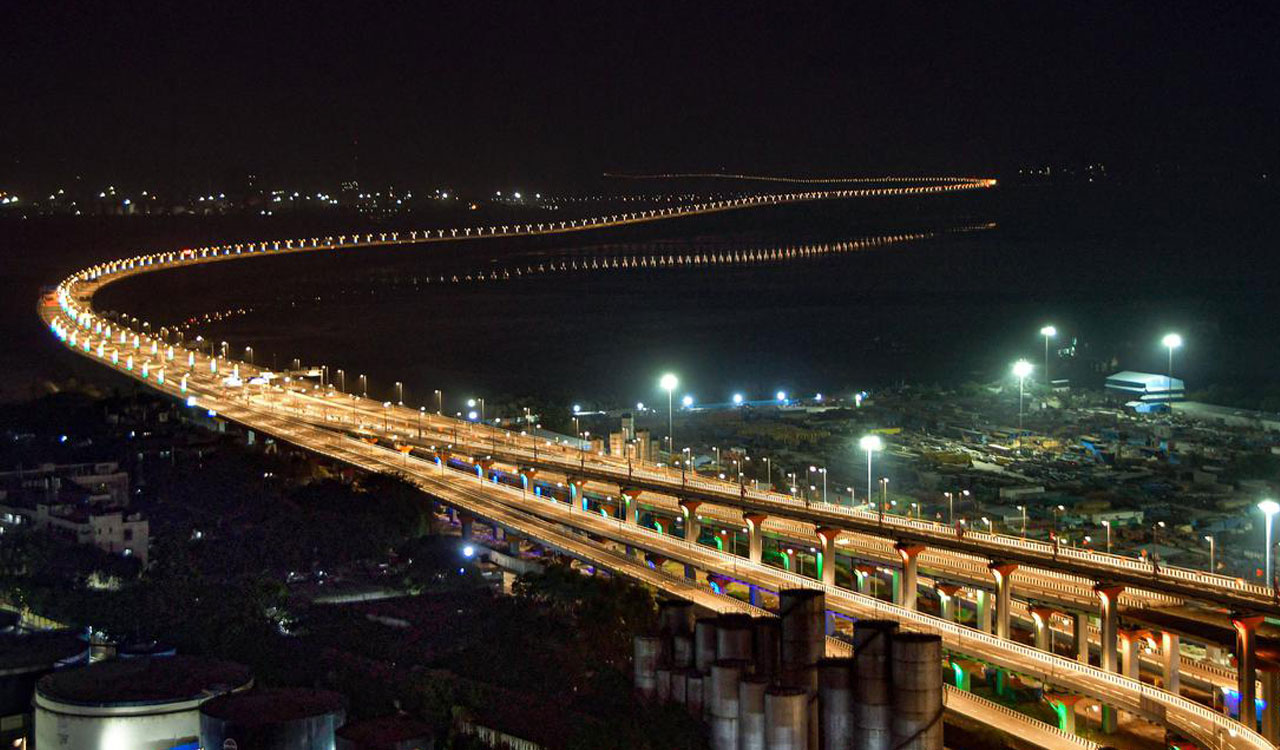
Every great career demands a crossing — a long, treacherous span between obscurity and legend, much like the vast sea bridges that join distant shores. For young Gibson, that passage stretched from the intimate theatres of Sydney to the sound stages of Hollywood. Gallipoli in 1981 cemented him as Australia's golden son, his portrayal of Frank Dunne carrying the weight of a nation's grief. Then came The Year of Living Dangerously and The Bounty, each role darkening his edge, deepening the shadow he cast. By the mid-eighties, American audiences were captivated by this untamed import — a leading man with a scarred grin and a glint of violence perpetually simmering beneath the surface. He hadn't softened for anyone. The journey across that divide cost him plenty, but he never once looked back at the shore he'd left behind.
There was always something unsettling about young Mel Gibson's beauty — handsomeness laced with threat, charisma edged with chaos. Directors sensed it, audiences felt it, and rivals envied it. He drank like his characters brawled, drove like Max was behind the wheel, and talked about retiring from acting before he'd even turned thirty. The industry laughed. Hollywood had other plans. Today, when fans dig up those early photographs — the shaggy hair, the piercing gaze, the swagger of a man who answered to nobody — they aren't just seeing nostalgia. They're witnessing the ignition point of one of cinema's most volatile and unforgettable careers, a fire lit in the dusty dark of the Australian new wave that never truly burned out.