Seth Meyers Interview with His Kids
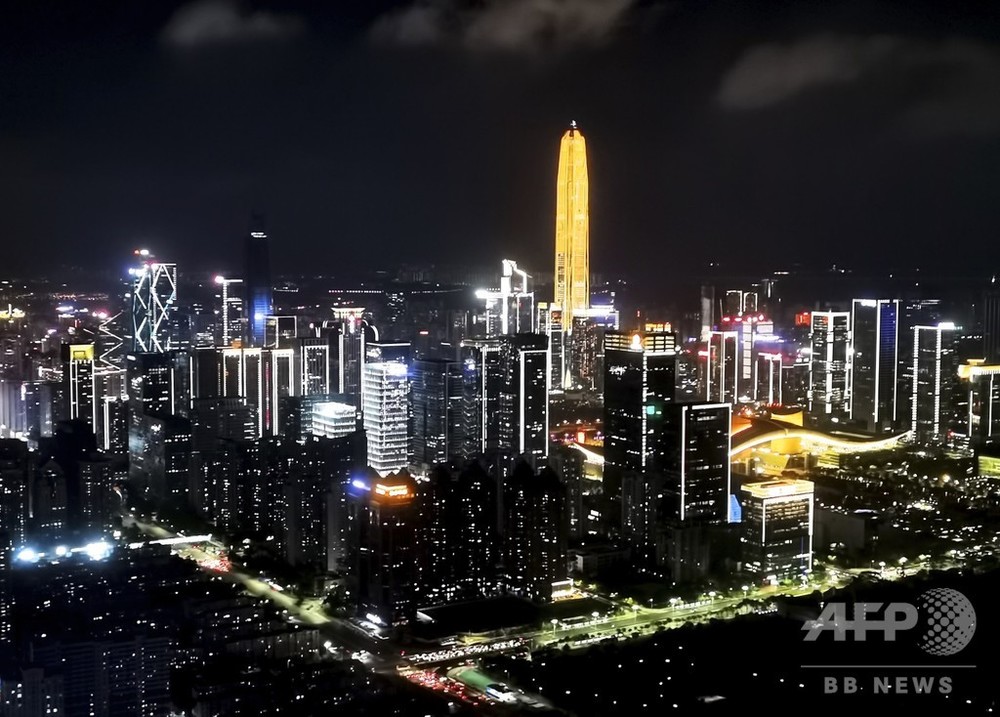
中国の経済特区設立から40年 深センのgdpは1.3万倍、国際ハイテク都市に 写真12枚 国際ニュース:afpbb news. 中国の経済特区設立から40年 深センのgdpは1.3万倍、国際ハイテク都市に 写真12枚 国際ニュース:afpbb news
Seth Meyers, the celebrated host of "Late Night", has long been admired for his sharp political satire and quick wit. Yet some of his most memorable television moments have come not from the writers' room, but from his own living room. Over recent years, Meyers has invited viewers into his home life through informal, delightfully unscripted interviews with his children — sons Ashe and Axel, and daughter Liffe — offering audiences a rare and refreshingly honest glimpse of parenthood behind the polished studio desk.
The segments began in earnest during the pandemic, when Meyers, like many broadcasters, was forced to present his programme remotely. Rather than treating the disruption as a setback, he turned it into an opportunity. With his children occasionally wandering into frame, viewers were treated to genuine, unfiltered moments: interrupted monologues, spontaneous questions and the kind of candid commentary only young children can deliver. The clips quickly became a social media favourite, praised for their warmth and relatability.
Honest Answers and Unexpected Wisdom from the Meyers Household
What makes these family interviews so engaging is Meyers' willingness to let his children speak on their own terms. He asks them genuine questions — about school, their ambitions, even their opinions on his job — and then resists the temptation to steer the answers. The results are frequently hilarious and occasionally surprisingly profound. His sons have offered deadpan critiques of their father's material, whilst his daughter has displayed a talent for comic timing that has prompted many viewers to suggest she may follow her father into entertainment one day. These exchanges highlight a broader truth about interviewing: the best conversations happen when the interviewer listens more than they speak, a skill Meyers has honed over decades of broadcast experience.
From Family Chatter to the Wider World: How Curiosity Sparks Bigger Conversations
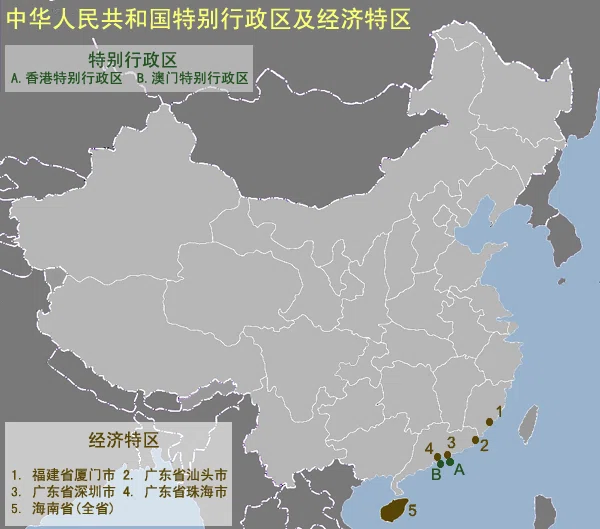
Beyond the comedy, the segments also demonstrate how casual conversations with children can open doors to larger discussions about history, geography and current affairs. Meyers has spoken about how his children's questions frequently lead him down unexpected paths, from explaining how cities develop to describing how the world has changed over generations. It is a reminder that curiosity, when nurtured, can connect a family living room to the grand sweep of global events, as this visual summary of China's economic history from 1945 to the present illustrates.
Educators and parents alike have noted that children absorb complex ideas best when they arise naturally from their own questions. Meyers' approach — answering earnestly, without condescension — models exactly this kind of engagement, showing that even young children can grapple with substantial subjects when they are presented with patience and good humour.
Broadening Young Horizons Beyond the Family Sofa
The Meyers family segments ultimately resonate because they capture something universal: the joy of watching children discover the world and form opinions of their own. Whether the topic is a bedtime routine, an ambitious career plan or the remarkable transformation of a distant city, the underlying appeal remains the same — honest curiosity, met with genuine attention.
As Meyers continues to balance late-night duties with family life, audiences will no doubt hope for many more of these charming domestic interviews. They serve as a gentle counterpoint to the frenetic pace of the news cycle, proving that sometimes the most compelling television features no script at all — just a father, his children and a conversation worth hearing.
経済特区わかりやすく – 中国が経済特区を作った理由 _ 経済特区とは – RMHF
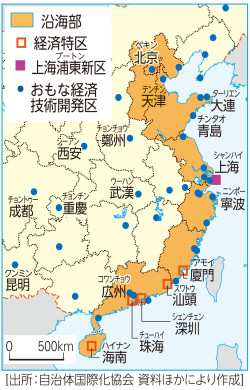
経済特区わかりやすく – 中国が経済特区を作った理由 _ 経済特区とは – RMHF
【中学地理】中国の経済特区ってなに?中学生にもわかるように説明するぞ! | 社スタ
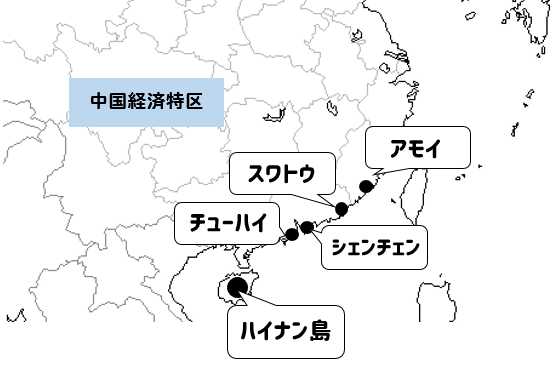
【中学地理】中国の経済特区ってなに?中学生にもわかるように説明するぞ! | 社スタ
経済特区とは中国 _ 中国 経済特区 5つ 覚え方 : 中国における経済格差の原因と富の再分配 – FPSN

経済特区とは中国 _ 中国 経済特区 5つ 覚え方 : 中国における経済格差の原因と富の再分配 – FPSN
テストによく出るアジア 東アジア編 | オンライン個別指導アスミラ

テストによく出るアジア 東アジア編 | オンライン個別指導アスミラ
経済特区の検索結果 - Yahoo!きっず検索

経済特区の検索結果 - Yahoo!きっず検索
中国最“不争气”的特区城市

中国最“不争气”的特区城市
[現代中国経済] 5-3 経済特区設置と対外開放
![[現代中国経済] 5-3 経済特区設置と対外開放](http://kccn.konan-u.ac.jp/keizai/china/05/img/fig05_07.gif)
[現代中国経済] 5-3 経済特区設置と対外開放