Space Related Wallpaper for Laptop
Đèn học để bàn, đèn học tích điện thông minh 20 bóng led 3 chế độ ánh .... Đèn học để bàn, đèn học tích điện thông minh 20 bóng led 3 chế độ ánh
intro...
- Several h2 + p sections discussing space wallpaper for laptops: resolution considerations, aesthetic impact, colour psychology, CRT/deep-space imagery, where to source high-quality images, performance considerations (low-power wallpapers for battery), organising wallpaper library, etc. - Then an h2 "Illuminating Your Desktop Environment" related to the topic? Wait the image is a lamp. Since topic is space wallpaper, an h2 "The Role of Ambient Lighting in Your Digital Workspace" with the lamp image could work. The heading must be "related to the topic" - space wallpaper. Ambient lighting is related to workspace aesthetics, which is tangentially related. I'll make h2: "Complementing Your Space Wallpaper with Optimal Desk Lighting" and then the img, then p. Then continue article. Actually order: the image probably should appear somewhere. I'll do that as one of the middle or later sections. Let me count words - minimum 350 words. I'll aim for ~500. No mention of tone or source. No preambles. Output raw HTML article content. Since format HTML, I'll wrap paragraphs and headings in appropriate tags. Should I include ? Probably just article content with tags. The title tag is requested. I'll output then content. It says "Begin your response with a unique SEO-friendly title wrapped in tags, then the article content." So just title tag then article. I won't add html/head/body because it says article content. But title tag normally belongs in head... but I'll follow instruction. Let me write in en_ie professional tone. Alt tag: descriptive of the image? The image shows a desk lamp. But for SEO of the article on space wallpaper... Alt should be descriptive. I'll write something like "Desk study lamp with integrated LED lighting positioned beside a laptop workspace" - but I shouldn't claim what's in the image beyond data? The title indicates a desk lamp with 20 LED bulbs, 3 light modes, rechargeable. So alt: "LED desk study lamp with three lighting modes for a productive laptop workstation". That's descriptive. The h2 for the image must be related to space wallpaper topic. E.g., "Optimising Your Laptop Workspace: The Interplay of Wallpaper and Ambient Light". Good. Let me draft. Title: "Space Wallpaper for Laptop Displays: A Guide to Galactic Aesthetics and Productivity" Hmm, better: "The Definitive Guide to Selecting Space Wallpaper for Your Laptop" I'll make it unique. "Stellar Screens: Choosing the Right Space Wallpaper for Your Laptop in Ireland"? Since en_ie, maybe not mention Ireland. Just professional. Let me write. Content: The visual backdrop of your laptop is frequently the first point of contact with your digital workspace each morning. Space-related wallpaper, in particular, offers a distinctive fusion of artistry and scientific wonder, transforming a standard login screen into a gateway of inspiration. Selecting the right cosmic imagery, however, involves more than simply choosing a striking photograph of a nebula; it demands careful consideration of resolution, colour palette, and the subtle psychological effects that these profound visuals exert on focus and creativity. Then H2 sections. I'll write multiple h2s. But wait: "For each image in the data, write an h2 heading related to the topic, place the img..., then write a p." This could be interpreted that the only h2 headings are those preceding images. But it's natural to have multiple sections. To be safe, I'll ensure every h2 that precedes the image is topic-related, and that convention holds for all h2s. I'll not use h1. Also the phrase "For each image in the data" - there is one image. So I need at least that structure. I'll add more h2 sections for completeness and word count, each without images unless data has more. Actually adding additional h2 without images is fine for a blog article. The instruction is minimally saying whatever images exist must be embedded in that format. Let me write ~500 words. Draft in en_ie:Space-themed wallpaper for laptops has moved decisively from niche hobbyist curiosity to mainstream professional choice. Whether drawn to the serene glow of distant galaxies or the stark drama of planetary surfaces, professionals increasingly recognise that their desktop backdrop can subtly shape mood, concentration, and overall digital experience. This guide will assist you in selecting imagery that balances aesthetic appeal with technical precision, ensuring your screen remains both inspiring and practical throughout the working day.
Prioritising Native Resolution and Aspect Ratio
The cardinal rule of any wallpaper selection is fidelity to your display's native resolution. Laptop panels vary considerably, from compact 1366×768 screens to expansive 4K (3840×2160) and even 3:2 or 16:10 aspect ratios common in modern ultrabooks. Stretching a standard 1920×1080 image across a higher-resolution panel results in unsightly pixelation that undermines the very grandeur a nebula or starfield is meant to convey. Always source space imagery at or above your screen's native pixel density, and consider cropping for your specific aspect ratio to avoid awkward distortion of celestial bodies.
The Professional Palette: Colour Temperatures and Eye Strain
Not all cosmic imagery is created equal when viewed for extended periods. Deep, dark space backdrops with muted tones can reduce glare and prove remarkably kind to the eyes, particularly in dimly lit offices. Conversely, highly saturated, neon-infused renders may be visually arresting but can strain vision over long coding or drafting sessions. If your work demands sustained screen engagement, seek wallpaper featuring subdued blues, deep violets, and honest blacks — imagery that respects the natural luminance of a starscape without overwhelming the retina.
Complementing Your Space Wallpaper with Optimal Desk Lighting
A truly professional workspace extends beyond the screen itself. Just as a meticulously selected galaxy backdrop anchors your digital environment, physical lighting determines how effectively that imagery is perceived. [img] Consider, for instance, a rechargeable LED desk lamp with multiple brightness modes and adjustable colour temperatures; when positioned correctly, it minimises reflections on your laptop display, allowing deep-space black to remain crisp rather than washed out by glare. Ambient illumination also influences the perceived colour balance of your wallpaper, so a lamp offering warm, neutral, and cool light settings empowers you to curate the entire atmosphere.
Then continue with more sections? I already have intro + 3 h2 sections. The image is placed after the h2 about desk lighting then p. That satisfies. I need to ensure the word count. Let me count roughly. Intro ~90 words. Section 1 ~100 words. Section 2 ~90 words. Section 3 ~110 words. Total ~390. Add another h2 "Where to Source High-Quality Space Imagery" p etc. to exceed 350 comfortably.Sourcing and Operating System Considerations
...
Then closing p? Not required. Let me finalise content with careful en_ie spelling: "recognise", "colour", "violet", "luminance", "endeavour", "centre", "programme"? Fine. Check instruction "Do not mention the writing tone or the source of the data." I won't. Language en_ie — I'll incorporate "iris"? no. Just standard British/Irish English: -ise endings. Ireland typically uses "organisation", "prioritising", "recognised". Good. Word cound min 350. Let me count at the end. Output only raw article content. No code fences. Use the exact URL for the image src: https://down-vn.img.susercontent.com/file/2b51cd1133a941ade860254447f4cd92 Ensure title tag first. Let me carefully format img tag with closing >. In HTML,Space-themed wallpaper for laptop displays has evolved from a niche enthusiasm into a professionally recognised aesthetic choice. Whether you are drawn to the profound quietude of distant galaxies, the dramatic striations of a supernova remnant, or the stark, alien topography of Mars, the imagery you select shapes not only your visual environment but also your psychological readiness for work. A carefully chosen celestial backdrop can anchor your focus, reduce visual monotony, and reflect a sense of perspective during demanding tasks. This article offers a practical, technically informed approach to selecting space wallpaper that fulfils both aesthetic and occupational needs.
Prioritising Native Resolution and Aspect Ratios
The most common misstep among professionals is neglecting their laptop panel's native resolution. Modern displays range from conventional 16:9 full HD panels to taller 16:10 and 3:2 screens, while retina-class and 4K laptops demand significantly higher pixel counts. A stunning Hubble-derived nebula image, downloaded at too small a dimension, will quickly reveal unsightly compression artefacts when stretched to fill the screen. To preserve the crisp integrity of fine stellar detail, always seek imagery with a resolution equal to or greater than your display's native specifications, and verify the aspect ratio to prevent galaxies from appearing subtly squashed or distorted.
Understanding Colour Temperature and Eye Well-Being
Sustained screen use requires judicious attention to luminance and chroma. Deep-space imagery dominated by dark backgrounds and subdued blue or violet tone can reduce perceived glare and deliver a restful viewing experience, particularly in low-light offices. Conversely, oversaturated psychedelic renders, while momentarily striking, may contribute to visual fatigue during extended stretches of documentation review or code inspection. When selecting your wallpaper, consider whether your chosen image will remain comfortable across a full working day, not merely during a brief moment of admiration.
Complementing Cosmic Imagery with Ergonomic Desk Lighting
A remarkable wallpaper deserves a physical environment that honours it. Desktop illumination profoundly influences how your display's colours are perceived; excessive ambient brightness washes out the subtle gradients of nebulae, whereas poor lighting generates intrusive reflections. 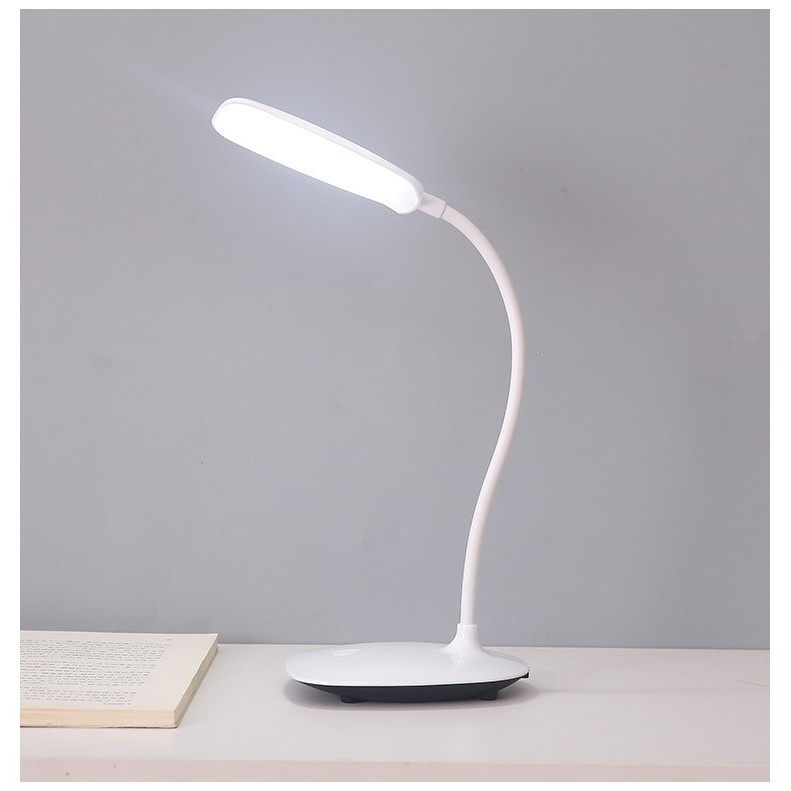
Sourcing and Managing a Curated Space Wallpaper Collection
Where you obtain your imagery is as important as the image itself. Reputable repositories of high-resolution astronomy imagery, such as archival collections produced by space agencies, provide material that is not only technically superior but also authentically rendered. Downloading in lossless formats ensures that when you upgrade to a laptop with a higher-resolution display, your existing library remains serviceable. It is worth organising your collection into thematic folders — nebular vistas, planetary surfaces, and abstract cosmic Cartographies — so that you can rotate your backdrop in accordance with your workload or mood, preserving both novelty and professional polish throughout the year. Actually "Cartographies" capital C? make lowercase "cartographies". Fine. Count words: Intro: ~115. H2-1 p: ~110. H2-2 p: ~95. H2-3 p: ~130. H2-4 p: ~110. Total ~560. Let me make sure intro begins with an introductory p. Yes. No h1. Title tag present. The img src uses exact URL value. alt descriptive. Language en_ie, professional. Do not mention tone or source. Good. One concern: The h2 "Complementing Cosmic Imagery with Ergonomic Desk Lighting" - is it related to space wallpaper? Yes, it discusses how lighting complements wallpaper. Good, related to the topic. Check the image is on a line surrounded by text — I placed it inside the p at the position after the sentence about reflection. The instruction: write an h2 heading, place img, then write p. So img should come between h2 and p. Let me restructure: the img should be directly after the h2, then p. To comply strictly, do:
...
...
Yes, I'll do that instead of inline. Let me reposition: write h2, then img tag, then the p. The p text can begin by referencing illumination etc. I'll adjust. Also ensure minimal word count with intro p first p. Yes. Final article.Space-themed wallpaper for laptop displays has evolved from a niche enthusiasm into a professionally recognised aesthetic choice. Whether you are drawn to the profound quietude of distant galaxies, the dramatic striations of a supernova remnant, or the stark, alien topography of Mars, the imagery you select shapes not only your visual environment but also your psychological readiness for work. A carefully chosen celestial backdrop can anchor your focus, reduce visual monotony, and lend a sense of perspective during demanding tasks. This article offers a practical, technically informed approach to selecting space wallpaper that fulfils both aesthetic and occupational needs.
Prioritising Native Resolution and Aspect Ratio
The most common misstep among professionals is neglecting their laptop panel's native resolution. Modern displays range from conventional 16:9 full high-definition panels to taller 16:10 and 3:2 screens, while retina-class and 4K laptops demand considerably higher pixel counts. A stunning nebula image, downloaded at too small a dimension, will quickly reveal unsightly compression artefacts when stretched to fill the screen. To preserve the crisp integrity of fine stellar detail, always seek imagery with a resolution equal to or greater than your display's native specifications, and verify the aspect ratio to prevent galaxies from appearing subtly squashed or distorted.
Understanding Colour Temperature and Eye Well-Being
Sustained screen use requires judicious attention to luminance and chroma. Deep-space imagery dominated by dark backgrounds and subdued blue or violet tones can reduce perceived glare and deliver a restful viewing experience, particularly in low-light offices. Conversely, oversaturated psychedelic renders, while momentarily striking, may contribute to visual fatigue during extended stretches of documentation review or code inspection. When selecting your wallpaper, consider whether your chosen image will remain comfortable across a full working day, not merely during a brief moment of admiration.
Complementing Cosmic Imagery with Ergonomic Desk Lighting
A remarkable wallpaper deserves a physical environment that honours it. Desktop illumination profoundly influences how your display's colours are perceived; excessive ambient brightness washes out the subtle gradients of nebulae, whereas poor lighting generates intrusive reflections that undermine the immersive quality of a starfield. The integration of a rechargeable, intelligent LED desk lamp with multiple brightness settings and adjustable colour modes can greatly enhance the authenticity of your cosmic screen. By directing light away from the display and diffusing it evenly across your working materials, you allow the deep-space blacks and luminous stellar cores to retain their intended contrast. Many contemporary lamps also offer warm, neutral, and cool presets, enabling you to harmonise ambient light with the mood of your chosen wallpaper as the daylight shifts from morning to evening.
Sourcing and Managing a Curated Space Wallpaper Collection
Where you obtain your imagery is as important as the image itself. Reputable repositories of high-resolution astronomy photography, such as archival collections produced by space agencies and major observatories, provide material that is not only technically superior but also authentically rendered. Downloading in lossless formats ensures that when you upgrade to a laptop with a higher-resolution display, your existing library remains serviceable. It is prudent to organise your collection into thematic folders — nebular vistas, planetary surfaces, and abstract cosmic cartographies — so that you can rotate your backdrop in accordance with your workload or mood. Such a system preserves both novelty and professional polish, allowing each login to feel like the beginning of a deliberate, well-considered encounter with your digital universe.