Spectrum Acc Network Channel
Grass-fed vs. grain-fed beef: what the research really shows. Rural agriculture, dairy & forestry news & animal prices
intro.
First H2 related
...
Second H2
...
Let me write.Beneath the vast, brooding skies of the countryside, a silent revolution is taking place. The Spectrum ACC Network Channel is redefining how rural communities, dairy farms, and forestry operations connect to the digital world. This dedicated communications channel operates across a dedicated allocation of spectrum, ensuring that even the most isolated paddocks receive a reliable, secure and robust signal. With the land itself as its backdrop, this channel is not merely about streaming content; it is the backbone of modern agricultural telemetry, remote sensing, and automated farm management.
Grain-Fed Livestock and the Bandwidth Behind Modern Beef Production
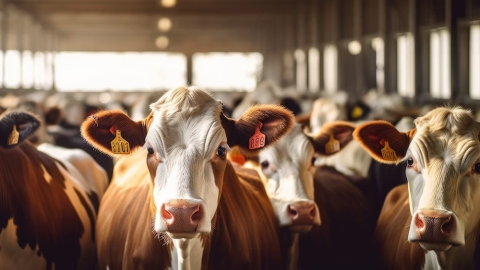
The journey of grain-fed beef from pasture to plate is now guided by a constellation of data points, and the Spectrum ACC Network Channel carries them all. Sensors embedded in feeding systems relay consumption rates, health monitoring collars transmit biometric alerts, and environmental probes measure moisture and temperature across the feedlot. All of this information travels along the spectrum channel with exceptional fidelity, offering farmers a sombre yet critical assurance: that every decision is informed by real-time intelligence. In the muted light of dawn, when the dew clings to the silage, operators can review overnight reports on their handheld devices, thanks to the channel's robust network layer. This is not just convenience; it is a lifeline for producers facing the dark realities of tight margins and unpredictable climates. The clarity of the connectivity determines the clarity of the management strategy, enabling proactive intervention before a minor health issue becomes a costly loss.
Pasture-Grazing Herds and the Quiet Reach of the Network

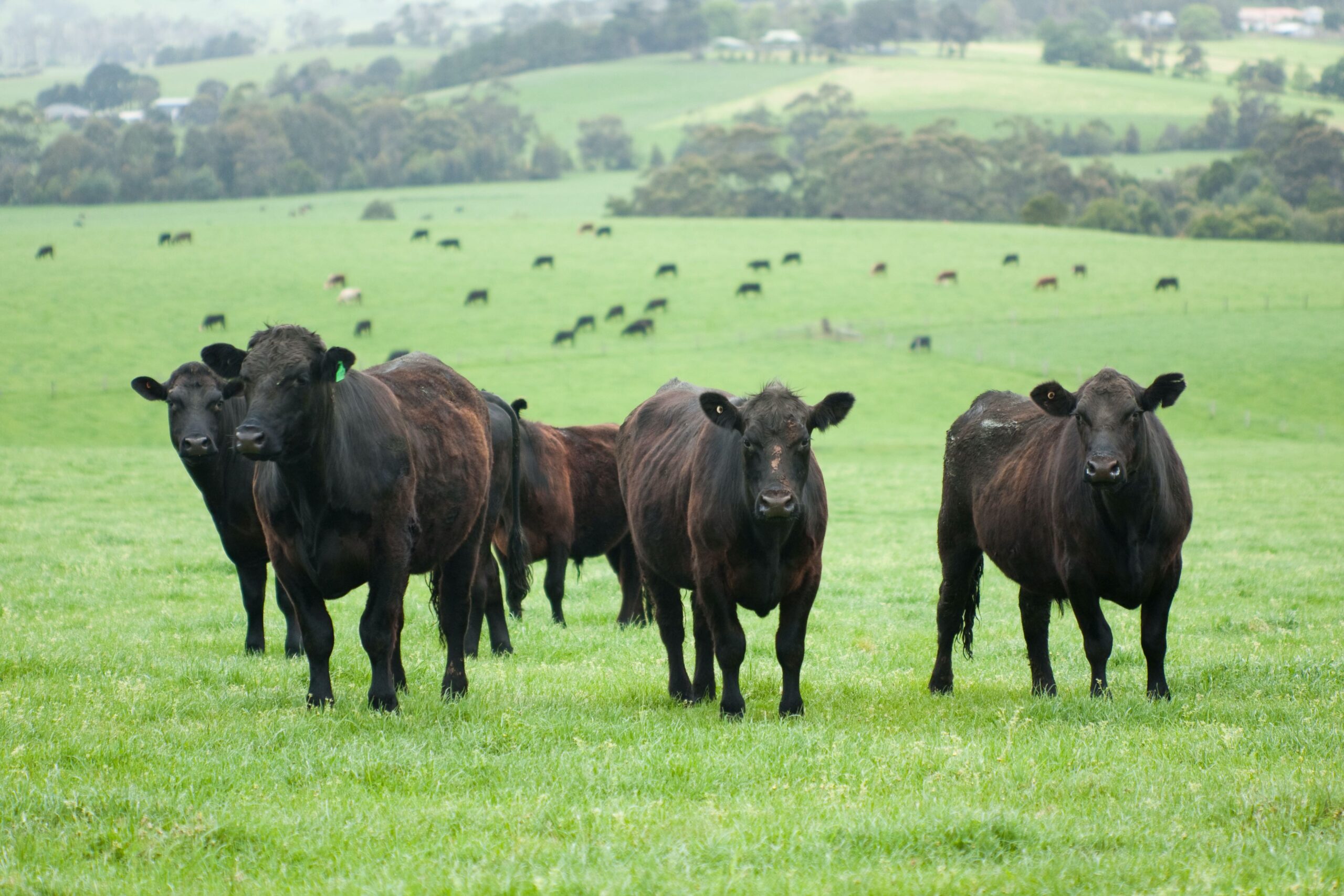
For herds that roam extensive pasture, the Spectrum ACC Network Channel provides a quiet, unwavering presence. The allocation uses advanced techniques to penetrate the undulating terrain, ensuring that a cow's smart ear tag remains visible to the central hub even in the shadow of a valley. This constant surveillance empowers land managers to implement rotational grazing schedules with precision, mapping paddock health and livestock movement in shades of green and grey on their dashboards. The channel also carries emergency directives—coded signals that can deter predators or warn of approaching adverse weather. There is an austere elegance to the system; it does not seek to replace the ancient rhythms of the herd, but merely to watch over them in silence. As dusk settles over the hills and the long grass bends in the wind, the network remains awake, a dimly glowing guardian that stitches the fragmented acreage into a single, coherent operation.
Grass-Fed Vs. Grain-Fed Beef: What The Research Really Shows

Grass-Fed vs. Grain-Fed Beef: What the Research Really Shows
The Benefits Of Grain Fed Beef | Kerrigan Valley Beef

The Benefits of Grain Fed Beef | Kerrigan Valley Beef
Department Of Horticulture | Washington State University
Department of Horticulture | Washington State University
Grain Finished – Beef Initiative

Grain Finished – Beef Initiative
Silage Making: A Comprehensive Guide To Quality Silage Preparation And
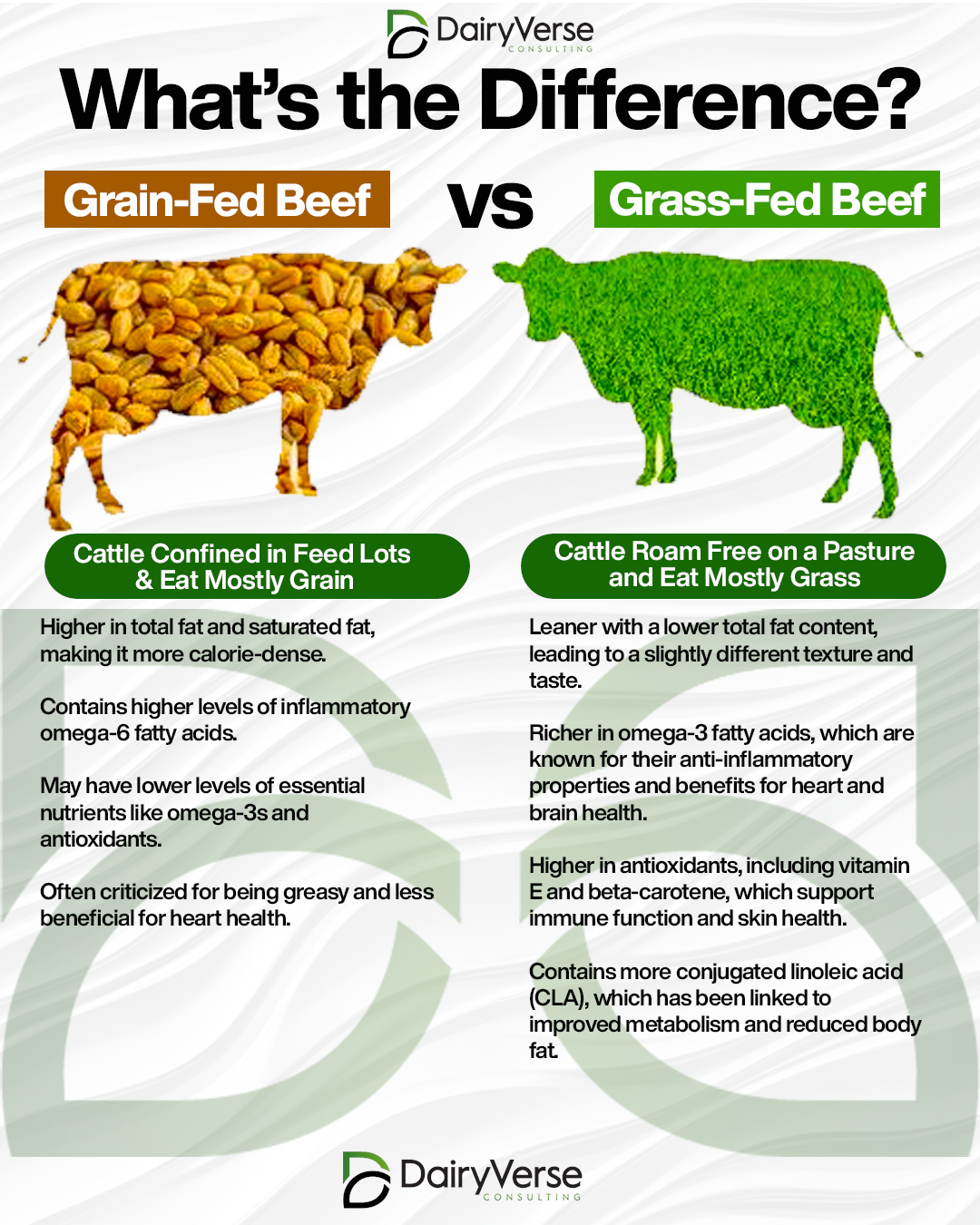
Silage Making: A Comprehensive Guide to Quality Silage Preparation and ...
Grass Fed Beef Vs Grain Fed Beef: Which One Is Healthier And Tastier F

Grass Fed Beef vs Grain Fed Beef: Which One Is Healthier and Tastier f ...
Grass-fed Vs. Grain-fed Beef Systems: Performance, Economic, And
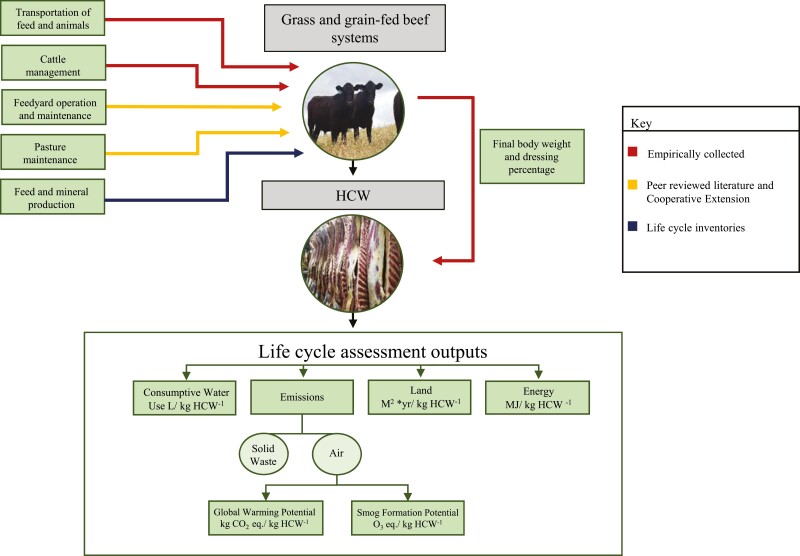
Grass-fed vs. grain-fed beef systems: performance, economic, and ...