Tallahassee Weather Radar 10 Day
If you have ever lived in or visited Florida's capital, you will know that Tallahassee weather has a personality all of its own. One minute you are basking in glorious sunshine, and the next, a thunderstorm has rolled in from the Gulf with absolutely no warning. That is precisely why keeping an eye on the Tallahassee weather radar 10 day outlook has become something of a survival skill for locals and students alike.
Why Tallahassee Weather Keeps Everyone Guessing
Nestled in the Florida Panhandle, Tallahassee sits in a fascinating meteorological sweet spot. Warm, humid air drifts up from the Gulf of Mexico whilst cooler systems sweep down from the north, creating the perfect recipe for pop-up storms, dramatic afternoon downpours, and, during hurricane season, the occasional tropical visitor. A short-range radar view is brilliant for spotting immediate rain, but it is the 10 day forecast that gives you the bigger picture, helping you plan everything from football matches at Doak Campbell Stadium to weekend barbecues.
How Weather Radar Actually Works
Modern radar systems send out pulses of energy that bounce off raindrops, hail, and even snowflakes, painting a real-time picture of precipitation across the region. The colours you see on a radar map tell a story: gentle greens for light showers, angry yellows and reds for heavy downpours. When you pair this live radar data with a 10 day forecast model, you get both the immediate detail and the long-range trend, which is a genuinely powerful combination for planning your week.
Learning From History: Why Forecasting Matters
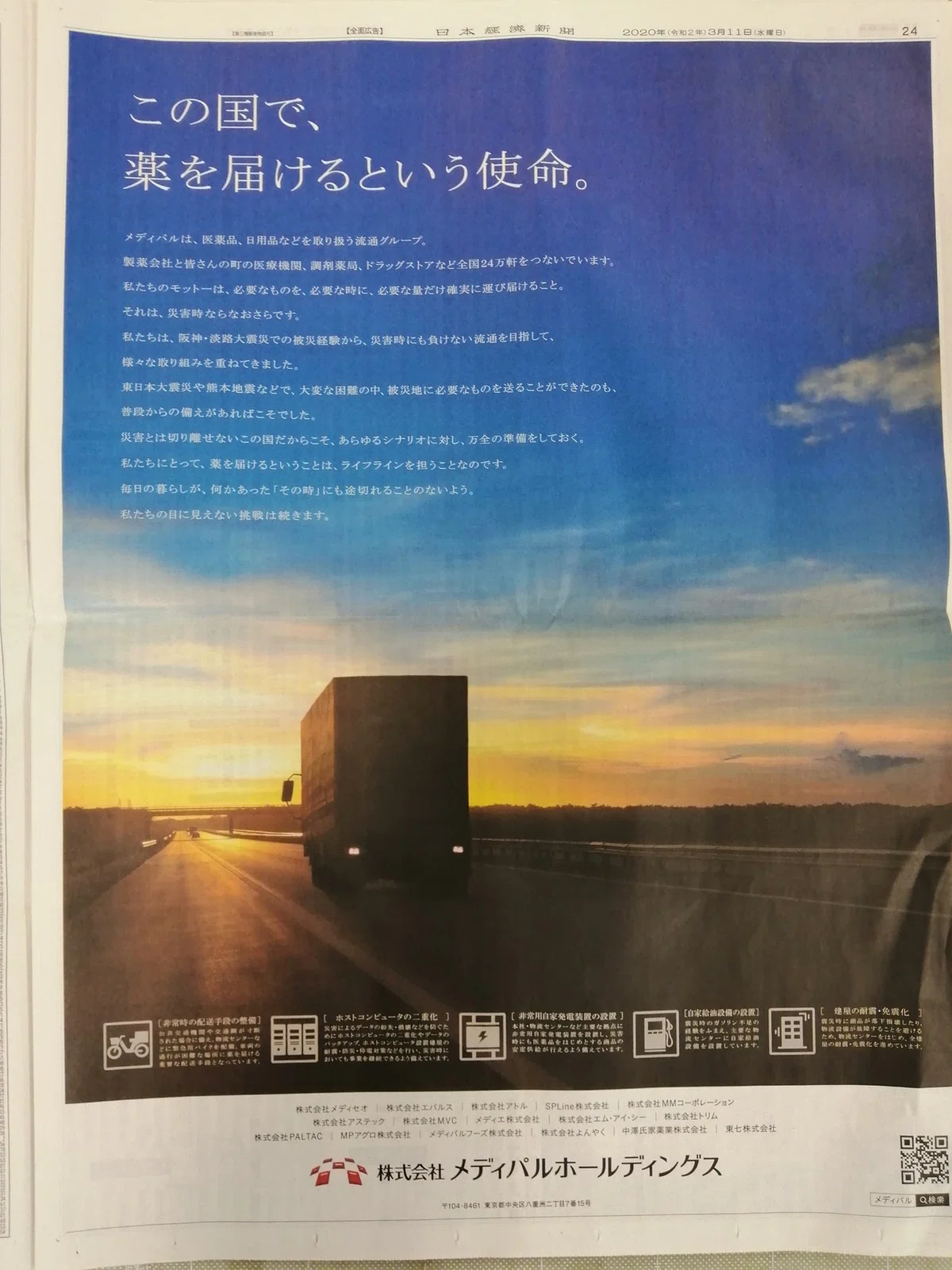
There is something deeply humbling about looking back at how communities around the world have responded to natural disasters. The image above showcases a collection of recovery advertisements commemorating the Great East Japan Earthquake, and it serves as a poignant reminder of why accurate forecasting and early warning systems matter so much. Radar technology, storm tracking, and forward-looking forecasts are not merely conveniences; they are tools of resilience that help communities prepare, react, and rebuild. Every time you glance at a radar loop or check a 10 day outlook, you are benefiting from decades of scientific progress born from hard-earned lessons.
Making the Most of Your 10 Day Outlook
Here is a practical tip: treat the first five days of any 10 day forecast as fairly reliable, and the final five as more of an educated guess. Meteorological models become less certain with time, particularly in a place like Tallahassee where sea breezes can trigger storms seemingly out of nowhere. Check the radar in the morning, cross-reference the extended outlook at lunchtime, and you will rarely be caught without an umbrella again.
So the next time dark clouds gather over Cascades Park or the humidity makes the air feel thick as soup, remember that a quick glance at the Tallahassee weather radar and its 10 day companion view is all it takes to stay one step ahead of the sky. Happy forecasting!